


Holographic LED Screen vs Transparent LED Screen: What’s the Difference?
As creative LED display technologies continue to evolve, many buyers confuse holographic LED screens with transparent LED screens.
At first glance, both technologies appear futuristic, lightweight, and visually impressive. However, their structure, visual effect, installation method, and application scenarios are significantly different.
For buyers, understanding these differences is essential before selecting the right display solution for retail projects, exhibitions, architectural facades, or immersive advertising installations.
At Luminatii, we specialize in custom holographic LED displays, transparent LED screens, mesh LED systems, and flexible LED screen solutions for global commercial projects.
Based on real project experience, this guide explains the practical differences, advantages, and limitations of both technologies.
What Is a Holographic LED Screen?
A holographic LED screen is a highly transparent visual display designed to create floating 3D-like imagery.
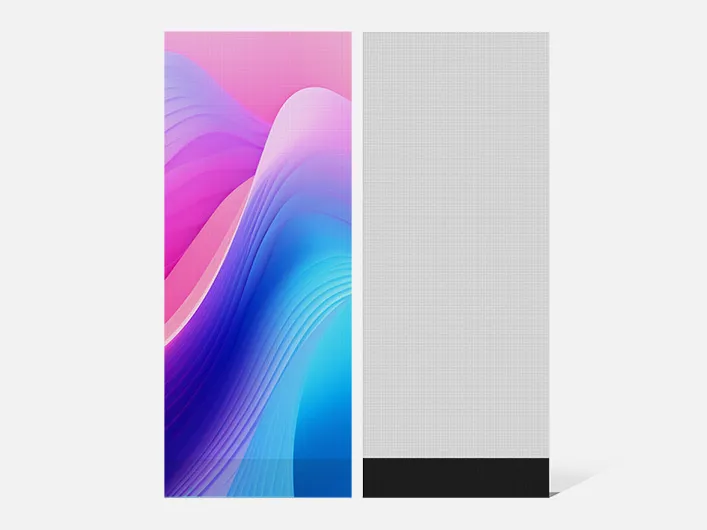
It minimizes the visibility of the display structure itself, allowing digital content to appear suspended in mid-air.
Unlike conventional LED cabinets, holographic screens focus heavily on:
- Ultra-high transparency
- Lightweight construction
- Flexible installation
- Immersive visual illusion
- Minimal structural obstruction
Most holographic LED screens use transparent PCB technology combined with distributed LED beads to create an almost invisible display surface.
These displays are widely used in:
- Luxury retail storefronts
- Shopping mall windows
- Automotive showrooms
- Exhibition booths
- Creative commercial interiors
What Is a Transparent LED Screen?
Transparent LED screens are display systems designed to maintain visibility through glass while delivering dynamic digital content.
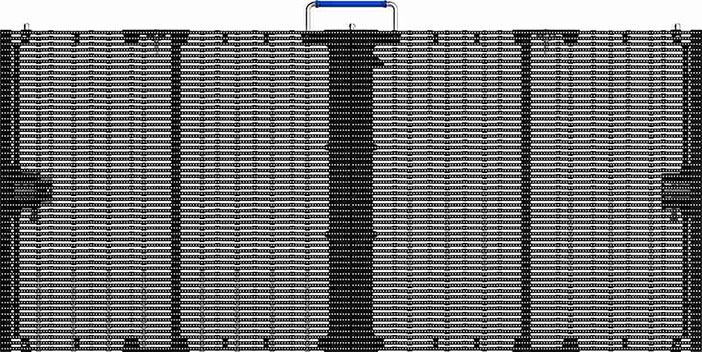
Compared with holographic screens, transparent LED displays usually have:
- Stronger structural support
- Higher outdoor durability
- Better protection ratings
- Greater brightness stability
- Larger installation capability
Transparent LED displays are commonly installed in:
- Building curtain walls
- Outdoor media facades
- Large commercial centers
- Airport terminals
- Stage rental projects
They are often selected for large-scale commercial installations where stability and weather resistance are priorities.
Core Technology Comparison
Although both technologies use transparent display concepts, their internal structure and engineering priorities are different.
| Specification | Holographic LED Screen | Transparent LED Screen |
|---|---|---|
| Core Technology | Hollow PCB + distributed LEDs | Hollow PCB + distributed LEDs |
| Transparency | 45%–90% | Usually below 70% |
| Weight | ≤4.5kg/m² | ≤10kg/m² |
| Thickness | As thin as 2mm | Around 10mm |
| Driving Method | Integrated driver design | Separate driver system |
| Viewing Angle | 160°/160° | 140°/140° |
| Protection Rating | IP30 | IP30/IP65 |
| Installation | Indoor / semi-outdoor | Indoor / outdoor |
| Flexibility | Excellent | Limited |
| Outdoor Capability | Limited | Strong |
The most noticeable differences are transparency, weight, flexibility, and outdoor durability.
Why Holographic LED Screens Create Better Visual Effects
One of the biggest advantages of holographic LED displays is their immersive visual performance.
Because the structure is thinner and more transparent, viewers focus almost entirely on the content itself rather than the screen hardware.
This creates:
- Stronger floating-image effects
- Better futuristic appearance
- Cleaner architectural integration
- Higher visual impact for premium branding
Compared with transparent LED displays, holographic screens usually offer:
- Higher transparency rates
- Lighter overall weight
- Better flexibility
- Easier customization
- More creative installation possibilities
In retail environments, this often translates into stronger customer attention and higher engagement rates.
For luxury brands and experiential marketing projects, visual aesthetics are often more important than extreme outdoor durability.
Advantages of Transparent LED Screens
While holographic displays excel in visual immersion, transparent LED screens remain superior in several practical scenarios.
Transparent LED displays generally provide:
- Stronger impact resistance
- Higher structural stability
- Better weather protection
- Easier repeated assembly/disassembly
- Better suitability for full outdoor use
This makes them ideal for:
- Outdoor advertising
- Building facades
- Rental staging
- Large-scale public installations
- High-brightness environments
Their modular structure also improves maintenance efficiency for large engineering projects.
For projects requiring long-term outdoor operation, transparent LED displays are often the safer and more durable choice.
Limitations of Holographic LED Screens
Despite their impressive appearance, holographic LED screens also have practical limitations.
1. Lower Structural Protection
Most holographic screens prioritize ultra-lightweight construction over heavy-duty protection.
As a result:
- Impact resistance is weaker
- Full outdoor installation is usually not recommended
- Maintenance may require more careful handling
2. Maintenance Complexity
Because many holographic displays use lamp-surface mounting technology, maintenance can be relatively more delicate compared with standard modular LED systems.
3. Limited Repeated Rental Usage
Frequent disassembly and transportation may increase the risk of damage for ultra-thin holographic structures.
For heavy rental usage, transparent LED screens may provide better long-term durability.
Limitations of Transparent LED Screens
Transparent LED displays also have their own trade-offs.
1. Reduced Transparency
Compared with holographic LED systems, transparent screens typically have lower transparency ratios.
This means:
- The screen structure is more visible
- Floating-image effects are less dramatic
- Visual immersion may be weaker
2. Limited Flexibility
Transparent LED displays usually include stronger structural frames, which reduce flexibility for creative curved or irregular installations.
3. Viewing Angle Constraints
Side-view performance is often weaker compared with holographic LED displays.
At low brightness conditions, the screen structure may become more noticeable.
Additionally, transparent screens below P6 pixel pitch may struggle to achieve fully uniform spacing displays.
Which Technology Is Better for Your Project?
The answer depends entirely on your application goals.
Choose Holographic LED Screens If You Need:
- Premium visual experience
- Floating 3D-like effects
- Ultra-lightweight displays
- High transparency
- Creative retail installations
- Luxury commercial presentation
- Flexible display structures
Choose Transparent LED Screens If You Need:
- Long-term outdoor operation
- High weather resistance
- Structural durability
- Large architectural installations
- Repeated rental usage
- Easier large-scale maintenance
In many commercial projects, the best solution may involve combining both technologies based on the installation environment.
Real-World Application Recommendations
Retail & Luxury Stores
Holographic LED displays create stronger visual attraction for storefront windows and luxury brand environments.
Their lightweight transparent appearance helps preserve interior visibility while maximizing digital impact.
Architectural Media Facades
Transparent LED screens are better suited for large-scale building integration and outdoor facade projects due to their higher durability and protection ratings.
Exhibitions & Events
Both technologies are widely used in exhibitions:
- Holographic displays deliver stronger “wow factor”
- Transparent displays provide better structural reliability for repeated events
Final Thoughts
Holographic LED displays and transparent LED screens are both important innovations in modern digital signage, but they are designed for different priorities.
Holographic LED screens focus on:
- Visual immersion
- Transparency
- Lightweight structure
- Futuristic aesthetics
Transparent LED displays focus more on:
- Durability
- Outdoor performance
- Structural stability
- Engineering practicality
At Luminatii, we help global buyers select the right LED technology based on real installation environments, viewing conditions, structural requirements, and branding objectives.
Whether you need a high-impact holographic LED display or a large-scale transparent LED screen facade solution, our engineering team can provide customized support for your project.

Get Our Latest Products & News
Subscribe to our newsletter for fresh product launches, industry insights, and exclusive offers tailored for global partners. Stay ahead with updates that matter to your business!
